
What It’s Like Now

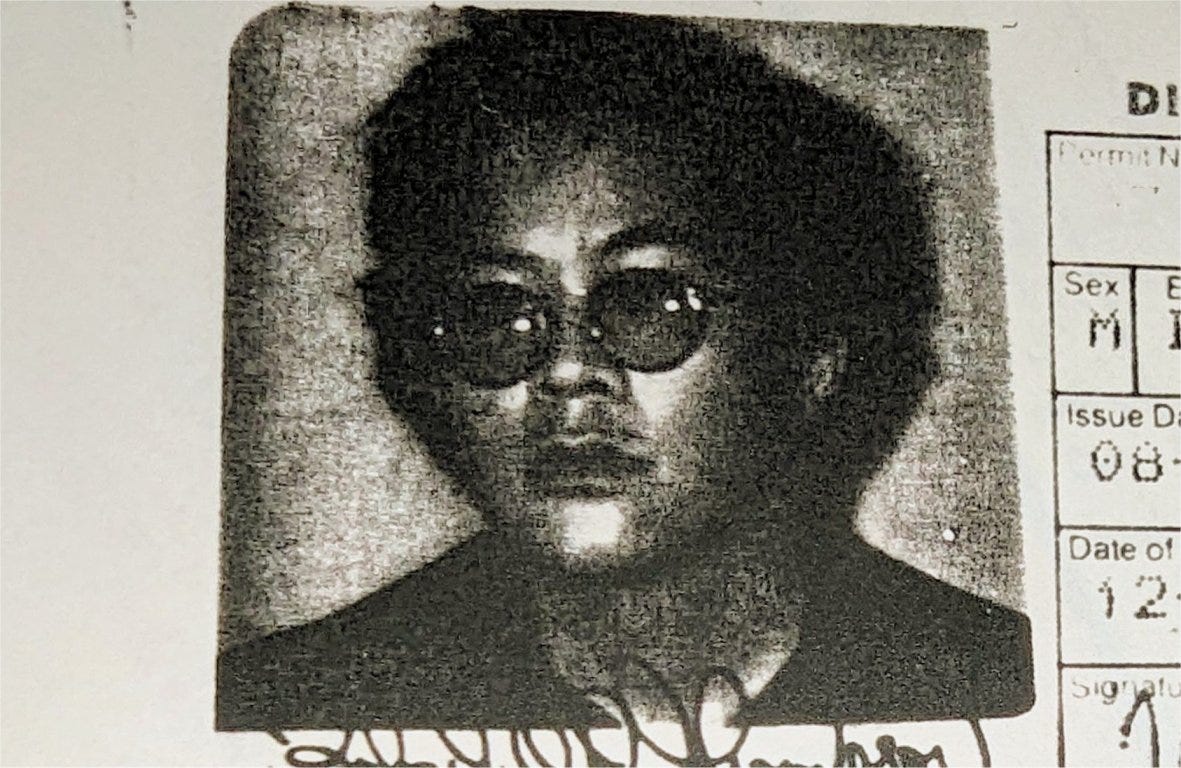
Although I know what it’s like to be born in Washington, DC,
I end up thinking about birds. It was 1957 in December. A year

later I celebrated my first birthday but I don’t know where.
Maybe we were still on Florida Avenue or maybe we’d moved

to “S” Street by then. I imagine it was a cold winter because
winters were always cold then, and my Dad took care of the embassy

and my Mom sewed at home, even now I can still hear the buzzing
metal of the machine. Late at night she read Frankenstein and

my Dad learned Spanish from his fellow waiters when he started
working nights for a caterer. In 1967 the wood thrush was chosen

as DC’s official bird but I can’t recall ever seeing one and knowing
what it was. I can’t imagine being a bird. My mother read Mary Shelly’s

words while me and my brother slept and my Dad laughed at a joke
told in Spanish, I can imagine speaking in Spanish but I never

learned it. Over the decades the neighborhood had gone from beatniks
to hippies until today when what’s now my old neighborhood would be

hard to describe with a word or a movement, a sound or motion
so evocative you could imagine it taking you under its wing. This was

what it was like to be born—the first glimpse of light and face, in a room,
in a city. This is what it was like to live like a human not a bird or a fish

in an eagle’s beak—a walk to the park, a man talking to himself as he
followed us on nice days so far from the years my mother knew of bombs

and bayonets and occupiers or was he talking to us, giving us directions
to the nearest dead end alley? We lived like a nation, then we didn’t, then

we never did. Bordered and divided, the gray river reflected milk white
light. There was chocolate, then there was white chocolate. I was born,

hidden by a distance that shrank. All the old and smiling tyrants, their
names bruised like imprecatory prayer, huddle together in sweat and oil.

Their heals ache in oversize shoes. They catch a whiff of the stench.

-Jose Padua